Back to Work
TeachForward
Designing a next-generation educator coaching platform from the ground up — evidence capture, rubric scoring, progress tracking, and integrated video tutoring in a single cohesive system.
Designing a next-generation educator coaching platform from the ground up — evidence capture, rubric scoring, progress tracking, and integrated video tutoring in a single cohesive system.
TeachForward is an educator professional development platform designed to help instructional coaches work more effectively with teachers. I joined as the founding designer at the early MVP stage and spent four years evolving the product through multiple major versions.
The product needed to solve a genuinely complex workflow: coaches conduct virtual observations, capture evidence of teaching practice, score against rubrics, provide structured feedback, and schedule follow‑up sessions — all while keeping administrators informed. This had previously been handled across a patchwork of Google Docs, spreadsheets, and email.

Instructional coaches are not a typical software audience. They tend to be experienced educators in their 40s–50s, often managing 15–20 teachers simultaneously. The platform had to be powerful enough to support complex rubric‑based scoring and feedback workflows while remaining approachable for someone who hadn’t used dedicated SaaS tools before.
I conducted extensive virtual research — meeting with administrators and coaches over video calls, observing virtual coaching sessions, and running regular co‑design workshops with our most engaged users. This continuous feedback loop directly shaped every major product decision.
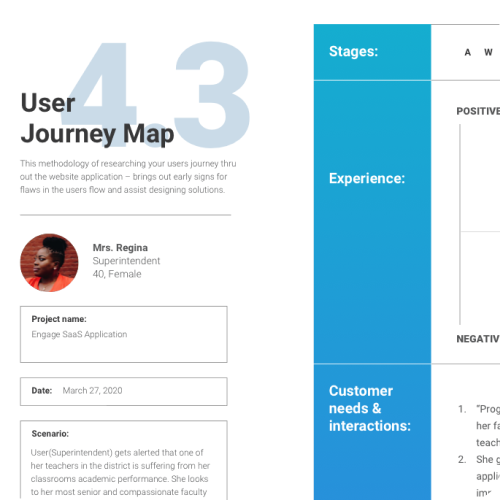
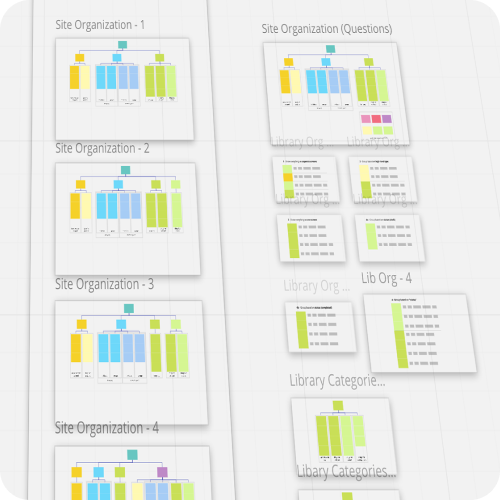
I ran a discovery phase focused on understanding how coaches, teachers, and administrators collaborate remotely. Through one‑on‑one video interviews with instructional coaches and district leaders, I mapped out their current workflows, pain points, and expectations for a virtual coaching tool.
I also observed virtual coaching sessions and analyzed dozens of existing feedback documents and rubrics to identify inconsistencies and gaps. This research helped define core user journeys, key metrics, and a prioritized feature set that balanced administrative oversight with coaching efficiency.
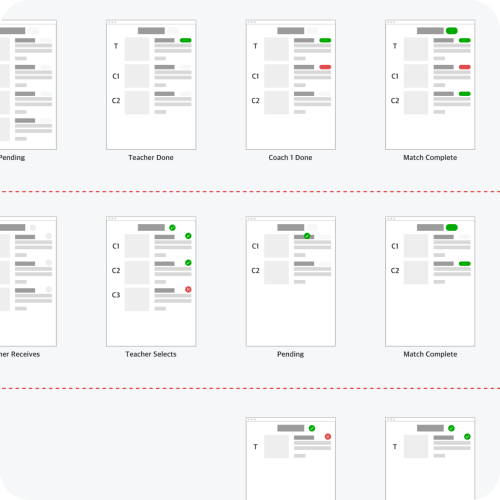
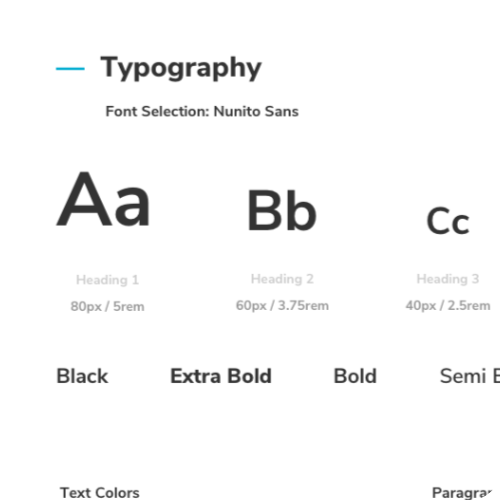
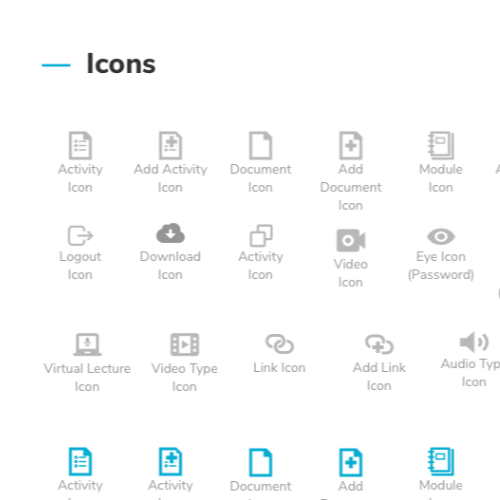
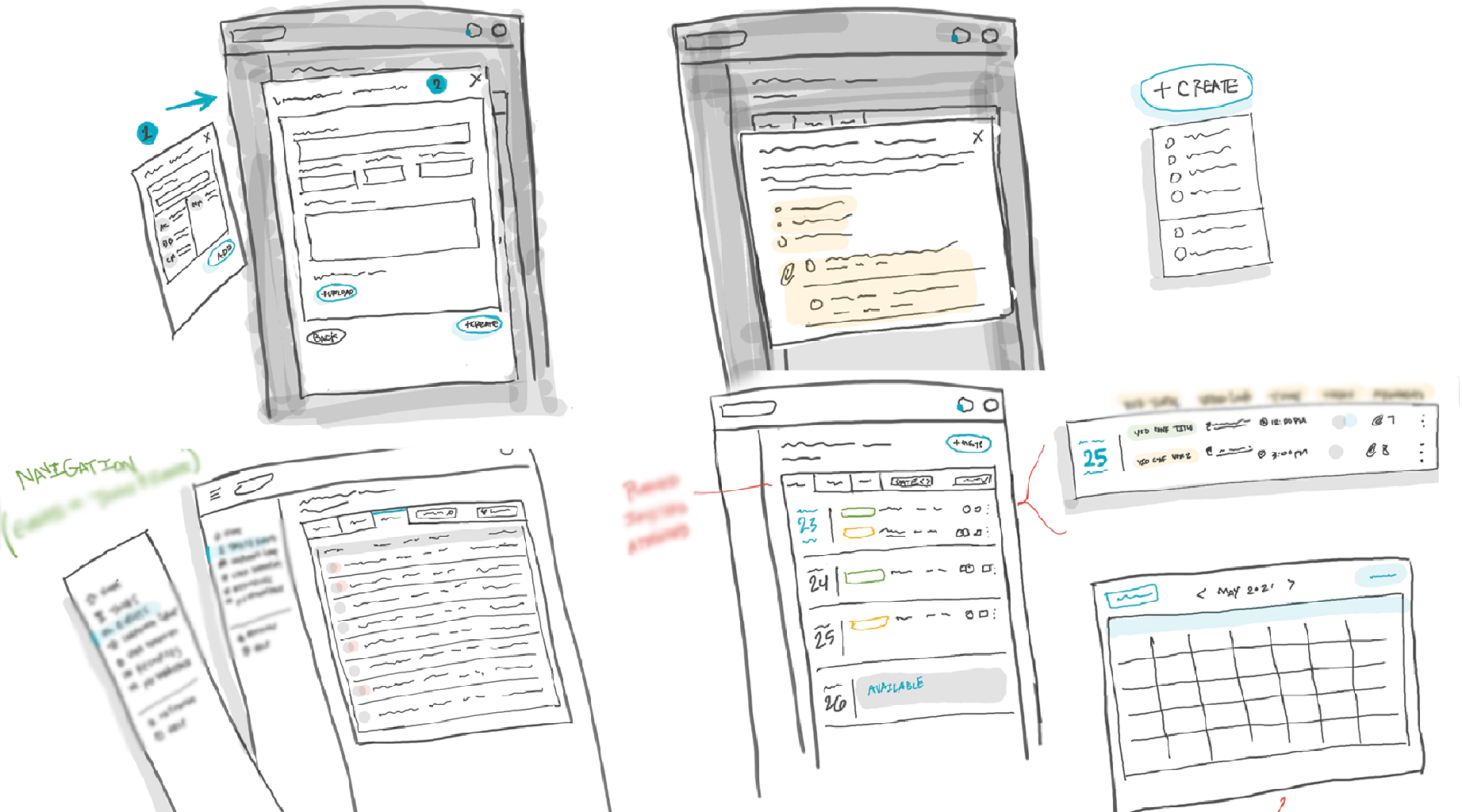
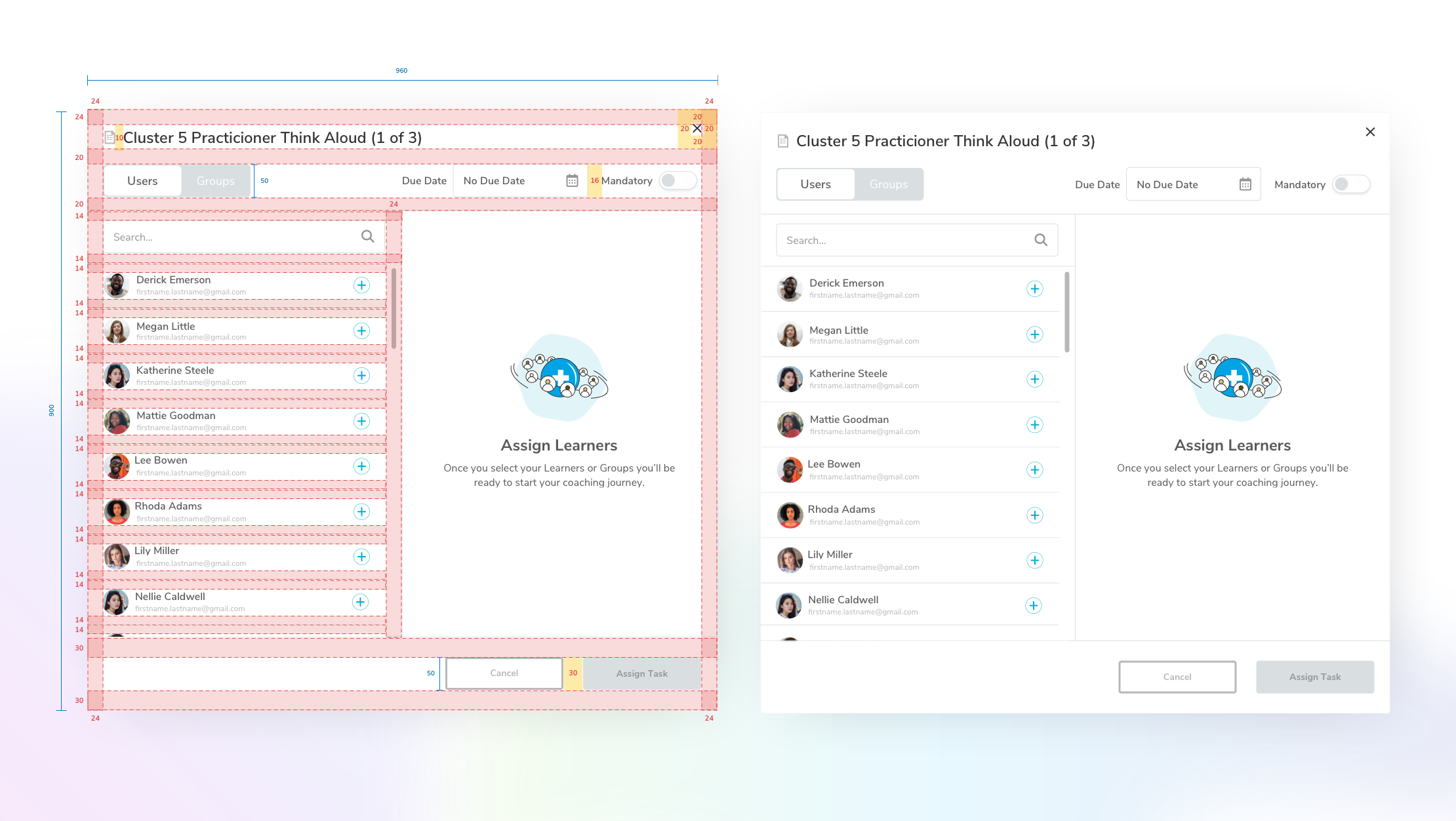
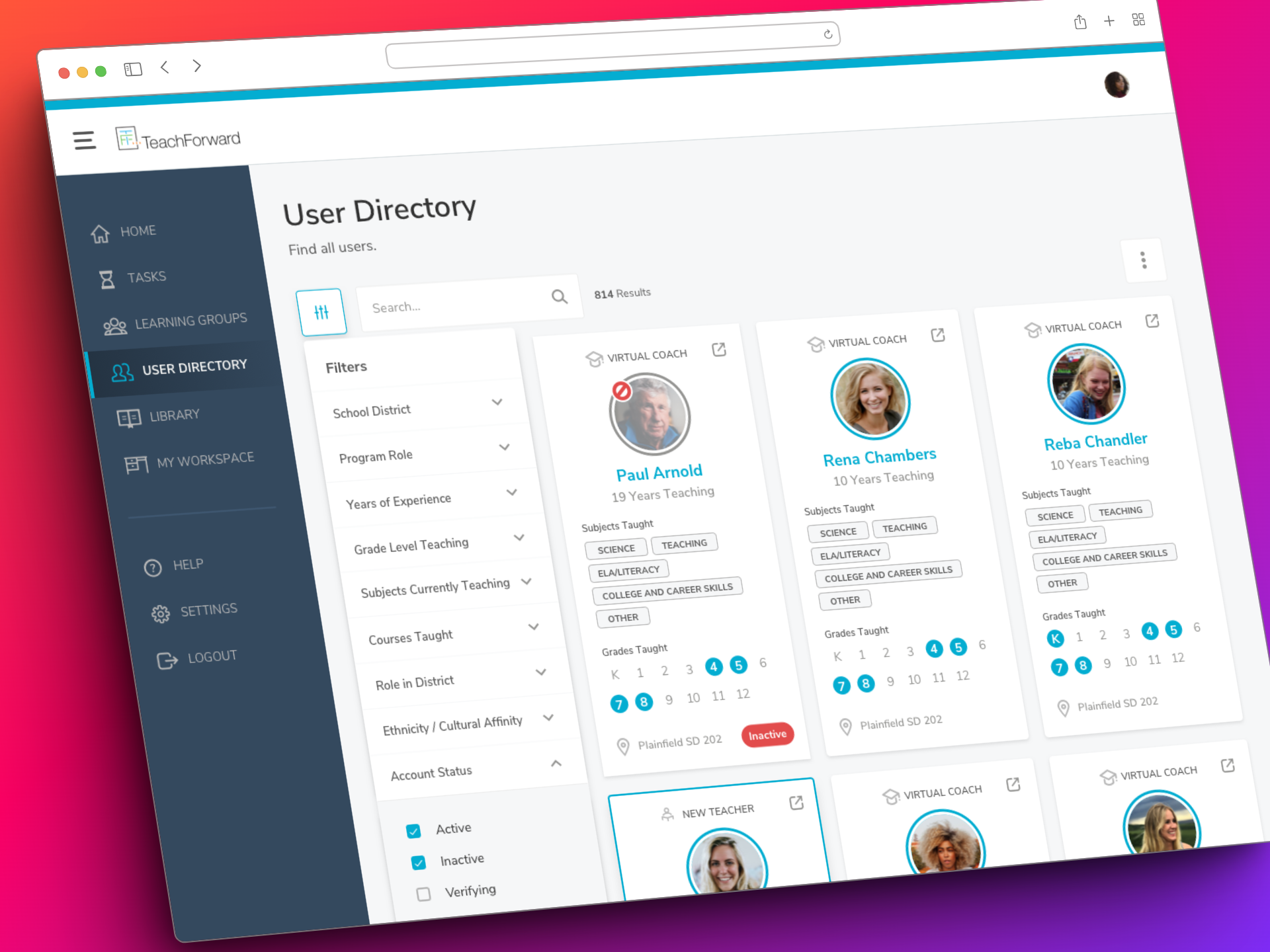
I designed and shipped a complete end‑to‑end 0→1 education platform spanning four years, featuring evidence capture, rubric scoring, progress tracking, and integrated video tutoring. These tools streamlined virtual coaching workflows while providing administrators with real‑time dashboards and reports.
The interface prioritized simplicity with guided flows for rubric scoring and one‑tap evidence uploads, ensuring even non‑tech‑savvy coaches could adopt it quickly. Iterative prototypes and usability tests refined the experience across multiple major releases.