Back to Work
Leonardo 247
Redesigning a multifamily property management platform to unify workflows, reduce admin friction, and build trust with operational teams at scale.
Redesigning a multifamily property management platform to unify workflows, reduce admin friction, and build trust with operational teams at scale.
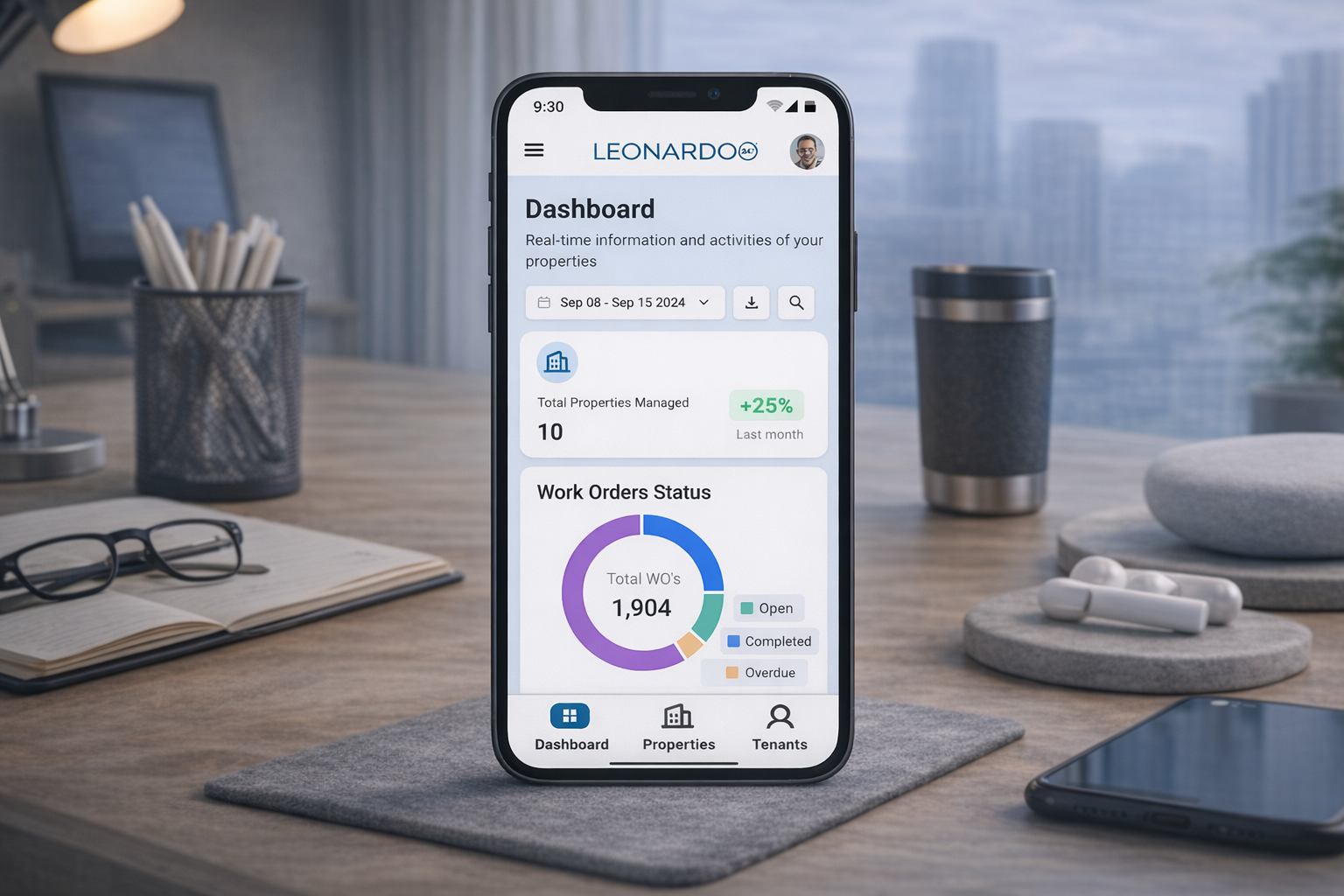
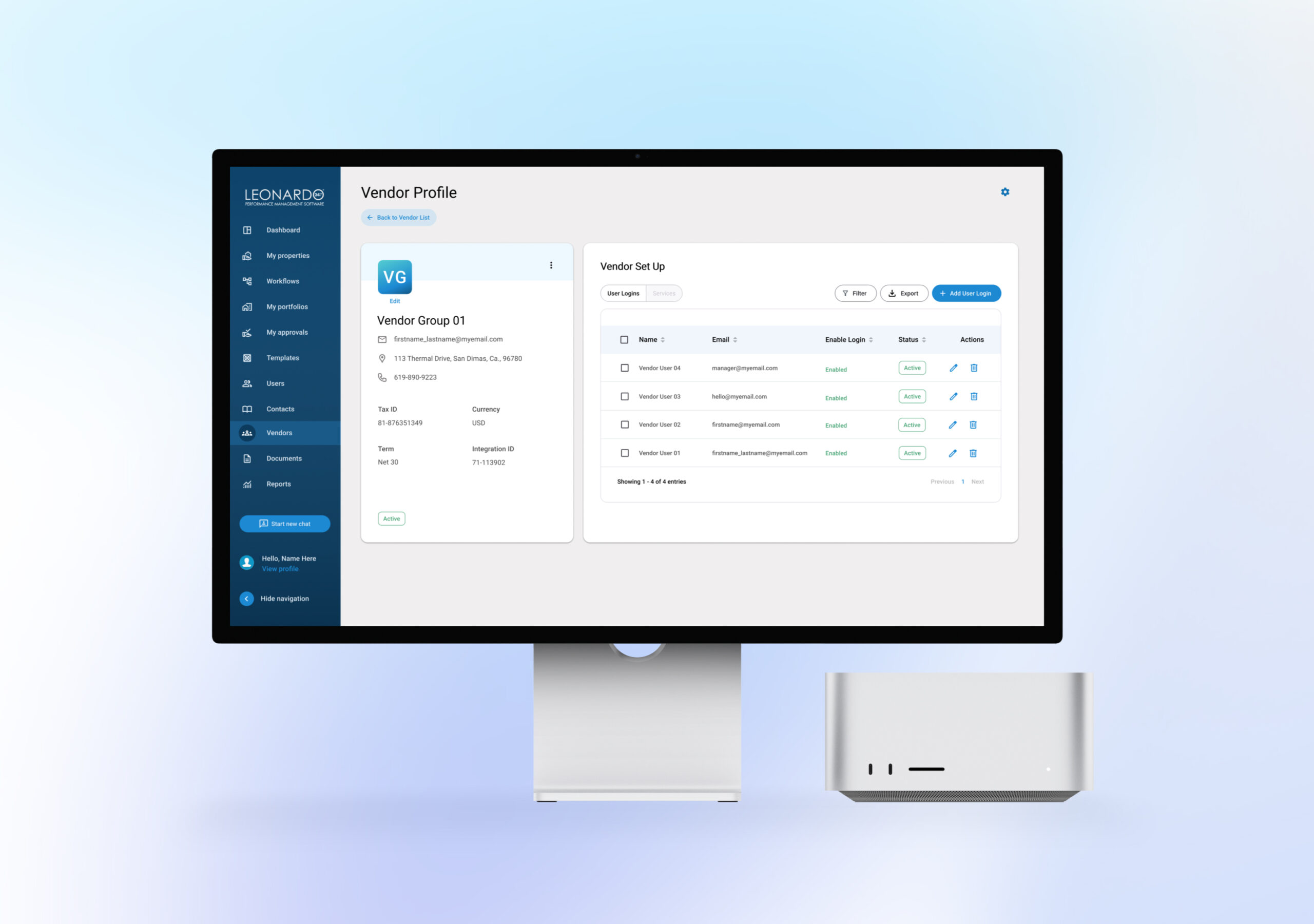
Leonardo 247 is a property management platform serving multifamily housing operators. The product had grown organically over years, resulting in fragmented workflows, inconsistent UI patterns, and admin tasks that required far too many steps. My role was to lead a comprehensive redesign — modernizing the interface while deeply integrating the Turnable Teams feature for unit-turn coordination.
The core challenge: operational teams relied on muscle memory built over years. Any redesign needed to respect existing mental models while dramatically reducing friction for high-frequency tasks like unit inspections, work order management, and team scheduling.
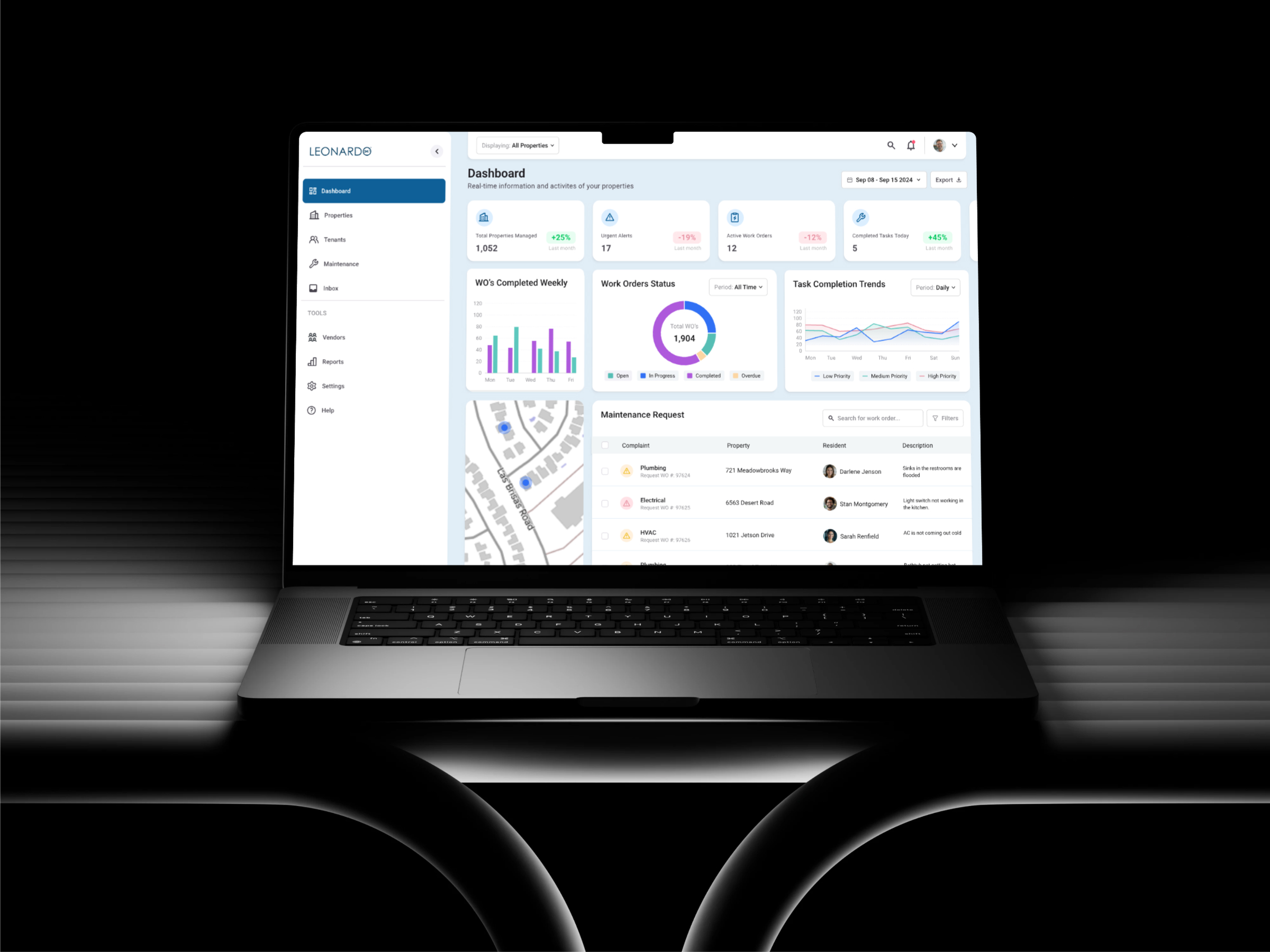
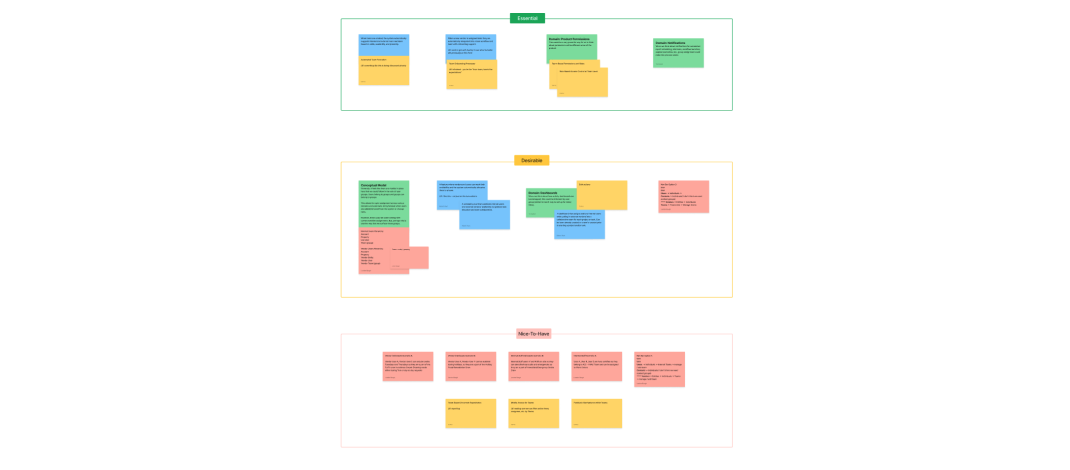
I conducted 6 user interviews with property managers, maintenance leads, and leasing agents across three regional portfolios. The research revealed three critical pain points: (1) The work order creation flow required 7+ steps for a task users performed 20+ times daily. (2) The unit-turn coordination between teams had no shared visibility — teams used external spreadsheets and group texts. (3) Dashboard data was present but not actionable — no clear next steps surfaced from analytics.
I synthesized findings into affinity maps and created journey maps that exposed exactly where the current product was losing operational time.
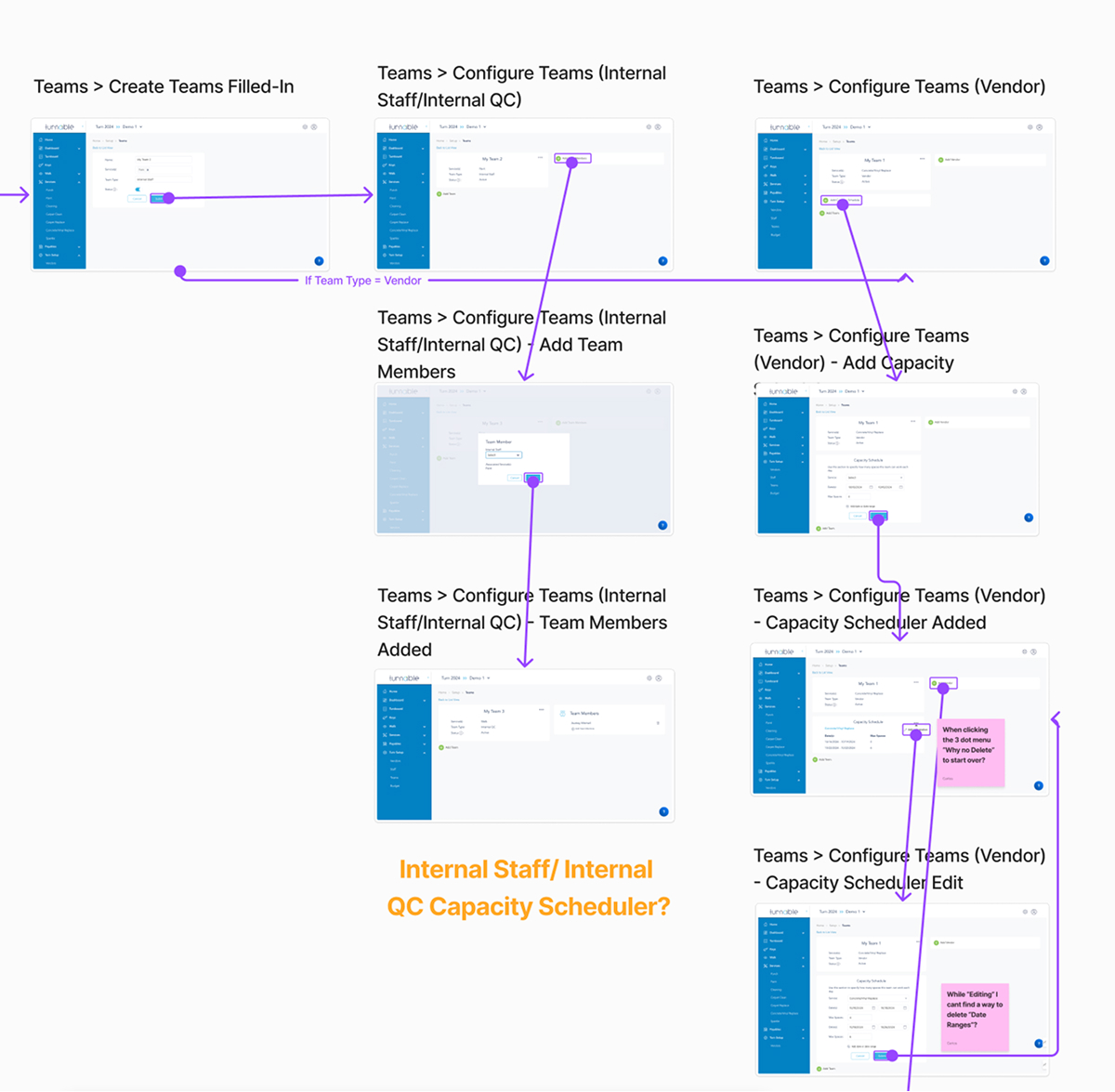
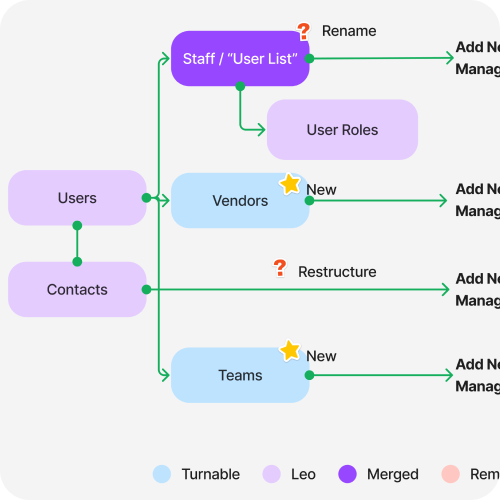
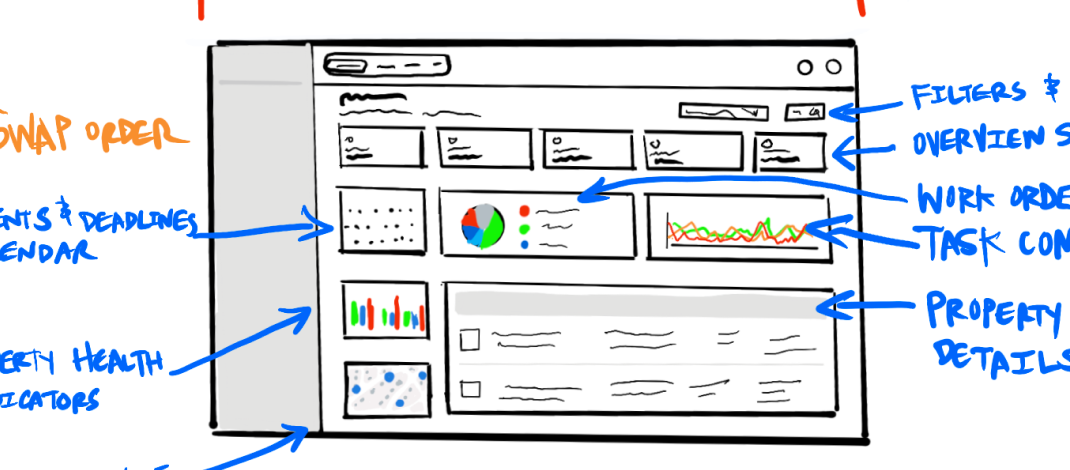
I began with low-fidelity wireframes for the highest-impact flows: work order creation, unit-turn board, and the main dashboard. After three rounds of concept testing with 8 real users, a few insights stood out clearly: users wanted a persistent "Today's Tasks" surface, not just historical data. The Turnable Teams board needed to mirror the mental model of a physical board — Kanban style with drag-and-drop.
I built a comprehensive design system in Figma — 180+ components, documented tokens, and handoff specs. This allowed the engineering team to move rapidly once designs were approved. The system included both a light and dark mode, and established a new visual language that was modern but familiar enough not to disrupt users' existing workflows.