Overview
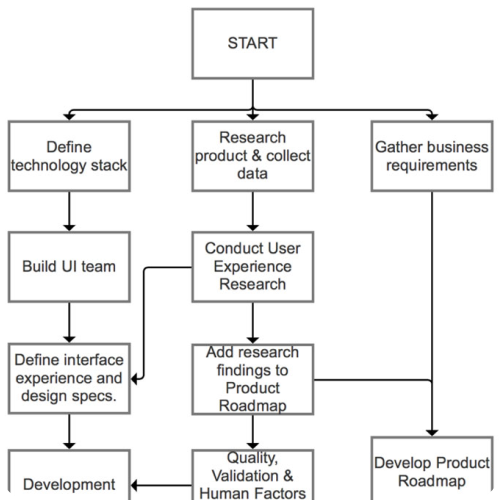
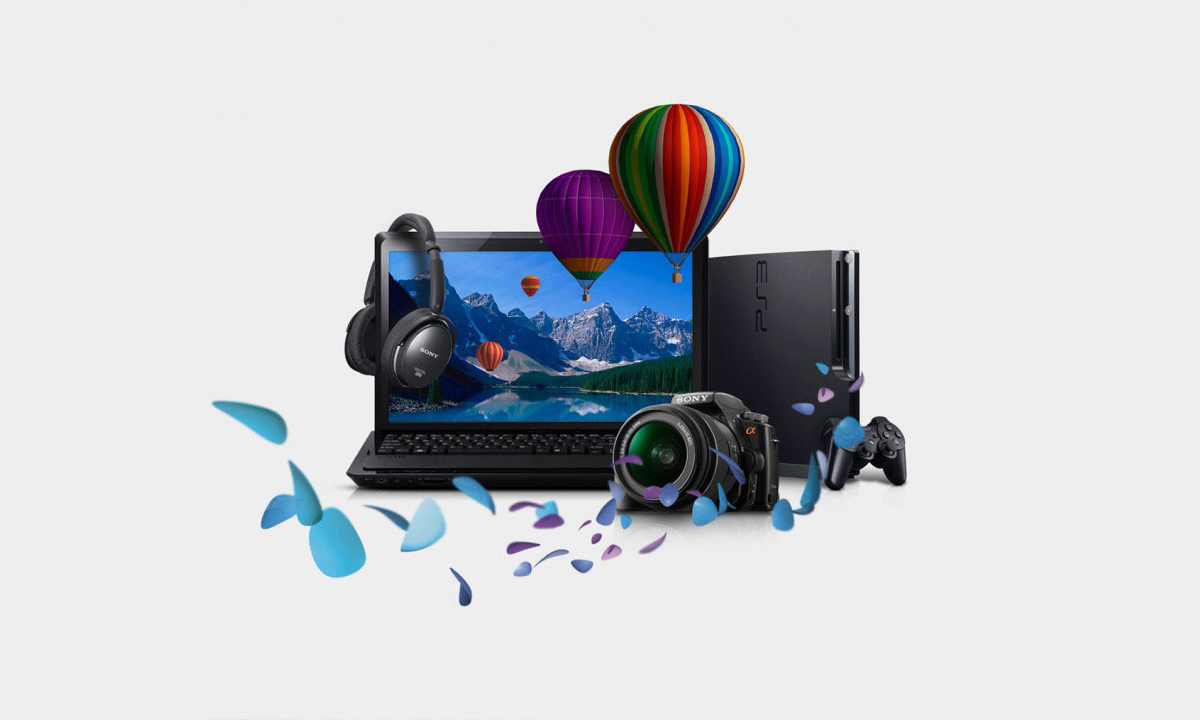
During a formative four-year period with Sony Electronics, I was part of the digital design team focused on improving how consumers discovered, evaluated, and purchased Sony's product lines online. The scope spanned three major product families — VAIO laptops, Alpha mirrorless cameras, and PlayStation accessories — each with distinct audiences, buying behaviors, and technical complexity to communicate.
Sony's digital presence at the time was vast but fragmented. Product pages were inconsistent, accessories were difficult to find and connect to parent products, and the checkout experience had accumulated years of technical debt that was hurting conversion. My work centered on rationalizing these experiences and making them perform.
VAIO — Laptop Product Pages
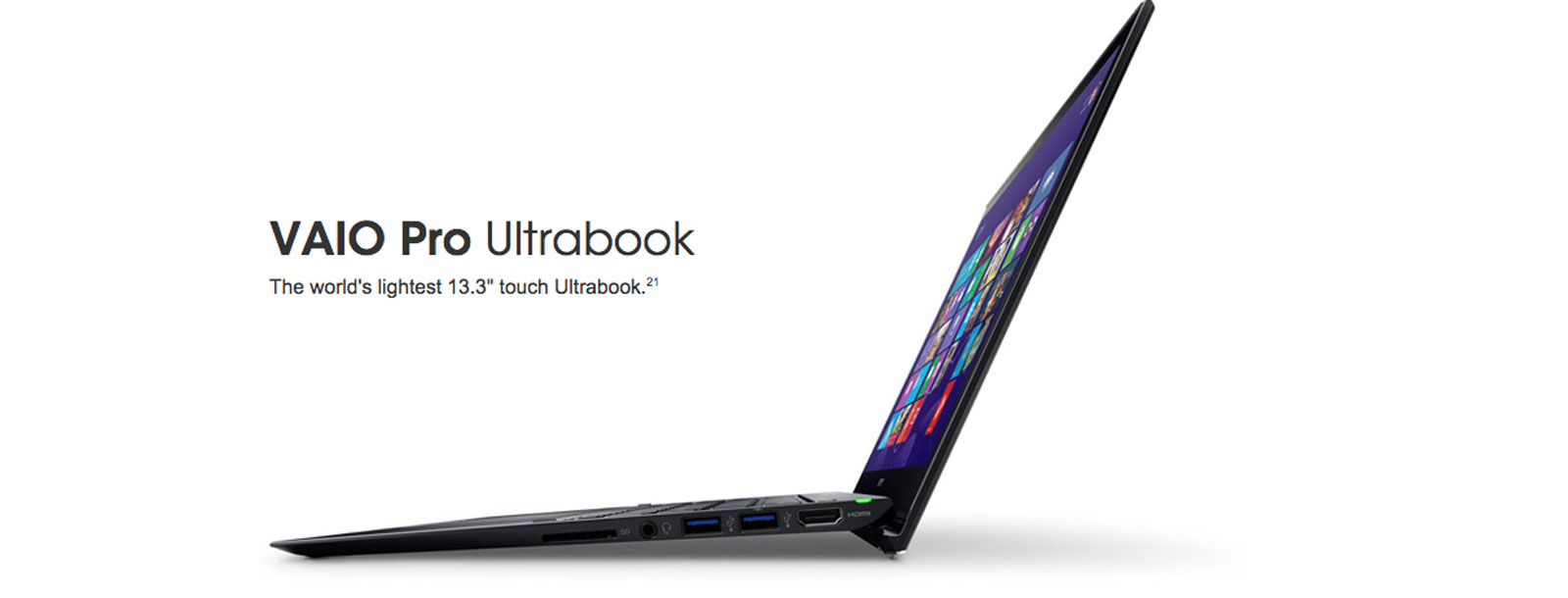
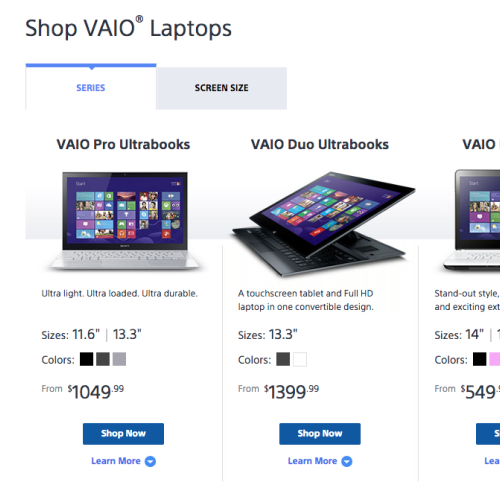
VAIO was Sony's premium laptop line, competing head-to-head with Apple's MacBook and Dell's XPS in a market where buyers spent significant time researching before purchasing. The existing VAIO product pages were spec-heavy but lacked the clarity and visual storytelling that premium-tier buyers expected.
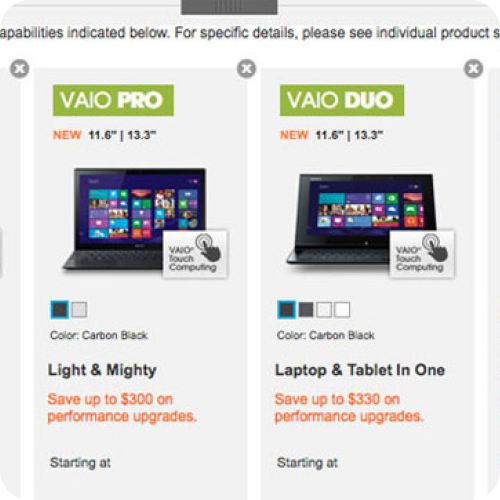
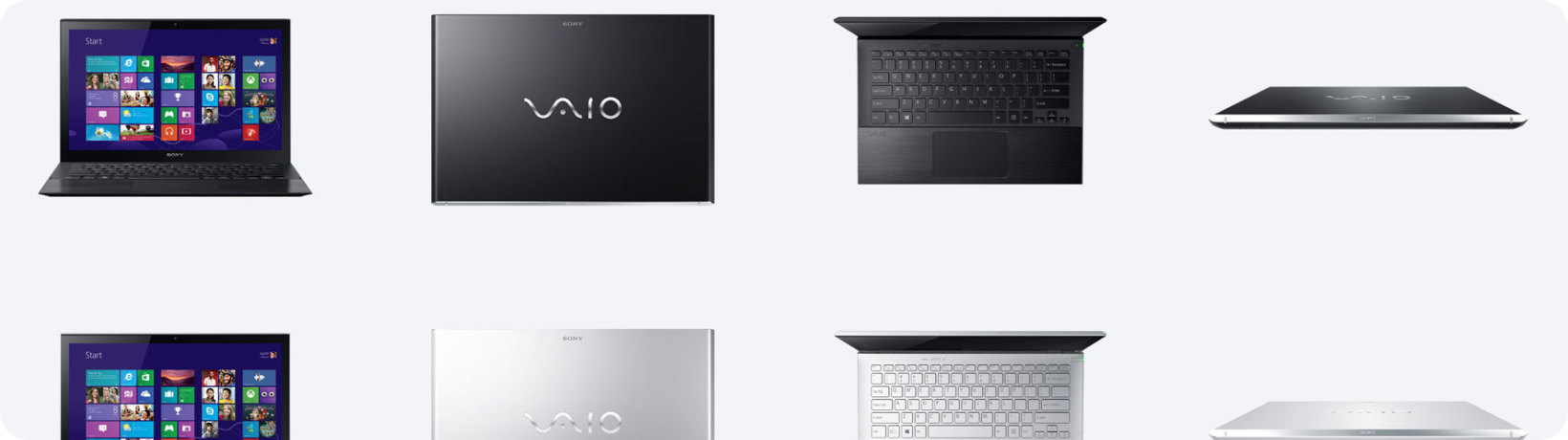
I redesigned the product detail page template for the VAIO line — establishing a clearer visual hierarchy that led with lifestyle photography before technical specifications, restructuring the spec comparison module to highlight the differentiators that mattered most to VAIO's target buyers (weight, battery life, display quality), and streamlining the configuration selector so users could customize RAM and storage without leaving the page. The result was a product page that felt premium and built trust before asking for the purchase decision.
Alpha Cameras — Accessories Architecture
Sony's Alpha mirrorless camera line was a rapidly growing business, but the accessories experience — lenses, battery grips, flashes, straps, bags — was a significant revenue opportunity that the site wasn't capturing. Accessories were siloed in a separate catalog with minimal connection to the parent camera products, meaning users who bought an Alpha body often couldn't find the compatible lenses or accessories on-site and went to third-party retailers instead.
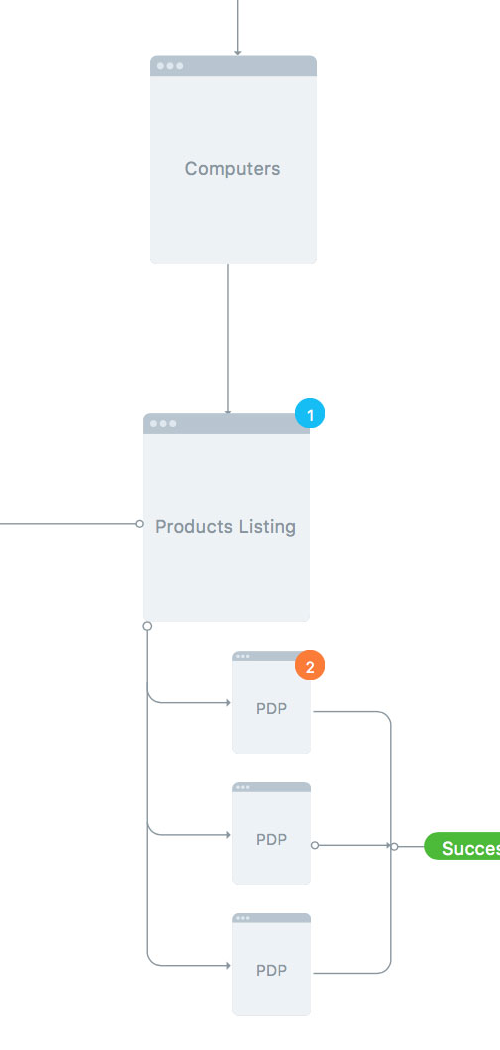
I designed a compatibility-first accessories browsing experience: from any Alpha camera product page, users could browse accessories filtered by compatibility with their specific body. I built the UX for a "complete your kit" module that surfaced the three most-purchased accessories alongside each camera purchase, and redesigned the accessories product detail pages to prominently feature compatibility information and real-world use cases (landscape photography vs. video production vs. street photography).
PlayStation Accessories — Streamlined Checkout
PlayStation accessories had a different audience — younger, impulse-driven buyers who made decisions quickly but abandoned carts at a high rate when friction appeared. My focus here was on reducing checkout abandonment: simplifying the cart UI, improving the upsell architecture (game bundles, extra controllers, charging stations), and making the purchase flow as fast as possible for returning buyers.
I also led UX work on Sony's product landing pages for major PlayStation peripheral launches — controllers, headsets, and charging accessories — creating modular page templates that the marketing team could populate for each launch without requiring custom design work each time.
Key Outcomes
3
Major product families redesigned — VAIO, Alpha, PlayStation
↑
Accessories attach rate improved via compatibility-first browsing architecture
4yrs
Embedded in Sony's digital design ecosystem at a world-class scale
↓
Cart abandonment reduced through streamlined VAIO checkout UX